Electric Vehicle Innovation and the Shift Toward Sustainable Mobility
An electric vehicle is no longer a futuristic concept reserved for experimental labs or premium markets. It has become a practical, mainstream transportation solution reshaping how people move, commute, and consume energy. Driven by electric motors instead of internal combustion engines, electric vehicles represent a structural shift in automotive design, energy usage, and environmental responsibility. This transition is influenced by rising fuel costs, climate concerns, and rapid advancements in battery and software technologies.
As global transportation systems evolve, the electric vehicle stands at the center of this transformation. It offers a cleaner alternative to traditional vehicles while delivering competitive performance, lower operating costs, and advanced digital integration. Understanding the broader impact of electric vehicles helps consumers, businesses, and policymakers make informed decisions in an era where mobility and sustainability are increasingly interconnected.
How Electric Vehicles Differ from Conventional Automobiles
The most fundamental difference between an electric vehicle and a fuel-powered vehicle lies in the drivetrain. Electric vehicles rely on electric motors powered by rechargeable batteries, eliminating the need for fuel combustion. This design removes many mechanical components such as pistons, crankshafts, and exhaust systems, resulting in a simpler and more efficient architecture.
This simplicity translates into smoother acceleration, quieter operation, and reduced vibration. Electric vehicles also deliver instant torque, allowing rapid response without gear shifts. These characteristics redefine driving dynamics, making electric vehicles particularly appealing for both city driving and controlled highway performance.
Battery Systems and Energy Management
Battery technology is the backbone of every electric vehicle. Modern lithium-ion battery packs are engineered to store high amounts of energy while maintaining safety and longevity. Battery management systems monitor temperature, charge cycles, and energy distribution to optimize performance and prevent degradation.
Energy efficiency is further enhanced through regenerative braking, which converts kinetic energy into stored electrical energy during deceleration. This intelligent energy recovery system extends driving range and reduces energy waste. As battery chemistry continues to improve, electric vehicles are achieving longer ranges with faster charging capabilities.
Charging Solutions and Infrastructure Development
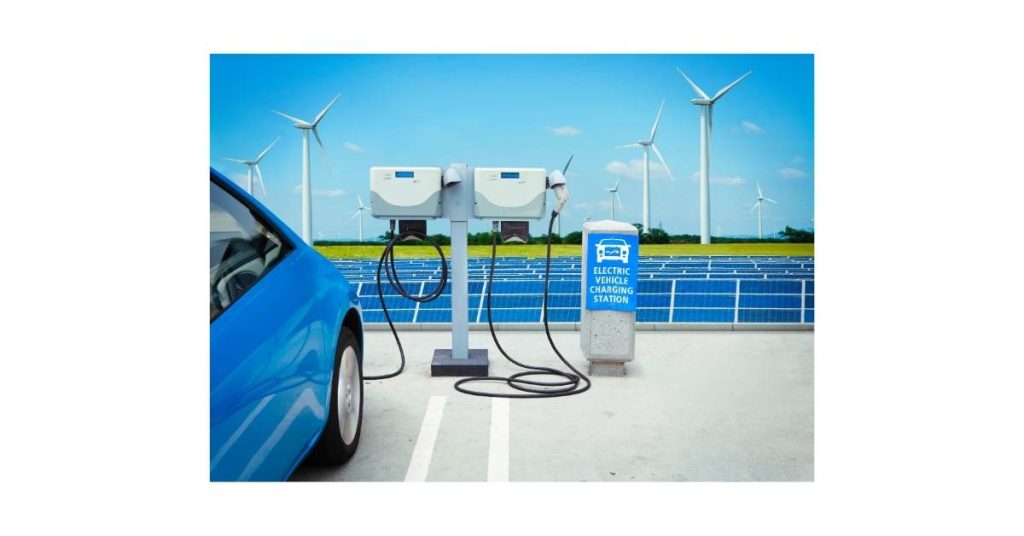
Charging infrastructure plays a crucial role in electric vehicle usability. Home charging stations provide convenience for daily use, allowing vehicles to recharge during off-peak hours. Public charging networks support intercity travel and commercial operations, offering standard and fast-charging options.
Technological advancements have significantly reduced charging times, making electric vehicles more practical for long-distance journeys. Integration of charging station data into navigation systems helps drivers plan routes efficiently. Resources dedicated to Electric Vehicle ecosystems offer valuable insights into charging solutions, accessories, and infrastructure trends that support seamless ownership experiences.
Environmental Impact and Energy Sustainability
Electric vehicles contribute to environmental sustainability by eliminating tailpipe emissions. This reduction in local air pollution improves urban air quality and reduces health risks associated with vehicle emissions. When powered by renewable energy sources, electric vehicles further minimize carbon footprints across their operational lifecycle.
Even in regions reliant on fossil-fuel-based electricity generation, electric vehicles typically produce lower overall emissions compared to internal combustion vehicles. This efficiency advantage positions electric vehicles as a key component in global efforts to combat climate change and reduce dependence on finite energy resources.
Economic Advantages of Electric Vehicle Ownership
The cost structure of electric vehicle ownership differs significantly from that of conventional vehicles. Although initial purchase prices may be higher, operating expenses are generally lower. Electricity costs less than fuel on a per-mile basis, and reduced maintenance requirements lower long-term expenses.
Electric vehicles do not require oil changes, exhaust repairs, or complex engine servicing. Fewer moving parts mean fewer mechanical failures over time. Government incentives, tax credits, and reduced registration fees further enhance affordability, making electric vehicles financially attractive over extended ownership periods.
Performance, Handling, and Driving Comfort
Electric vehicles offer a refined driving experience characterized by instant power delivery and precise control. The placement of batteries along the vehicle floor lowers the center of gravity, improving stability and cornering performance. This balanced weight distribution enhances handling across various driving conditions.
Quiet operation reduces noise pollution and creates a calmer cabin environment. Advanced suspension tuning and electronic control systems further enhance ride quality. These performance and comfort benefits appeal to drivers seeking both efficiency and driving enjoyment.
Smart Technology and Digital Integration
Electric vehicles are closely integrated with digital ecosystems, offering advanced connectivity features that enhance usability. Mobile applications allow drivers to monitor battery status, control charging schedules, and pre-condition cabin temperatures remotely. Over-the-air software updates improve performance and introduce new features without physical service visits.
Data-driven systems optimize energy consumption based on driving habits and environmental conditions. This intelligent integration transforms electric vehicles into adaptive platforms that evolve with user needs, setting them apart from traditional automotive designs.
Safety Engineering and Structural Design
Safety remains a priority in electric vehicle development. Battery packs are housed within reinforced structures designed to withstand impact and isolate electrical components during collisions. Advanced monitoring systems detect irregularities and respond instantly to prevent thermal events.
Electric vehicles also incorporate modern driver-assistance systems, including collision avoidance, lane monitoring, and adaptive braking. These features work together to enhance occupant protection and reduce accident risks. Regulatory standards ensure that electric vehicles meet stringent safety benchmarks across global markets.
Electric Vehicles in Urban and Commercial Use
Urban mobility solutions increasingly rely on electric vehicles due to their efficiency and low environmental impact. Ride-sharing services, delivery fleets, and public transportation systems adopt electric vehicles to reduce operational costs and emissions. Compact electric vehicles are particularly well-suited for congested city environments.
Commercial operators benefit from predictable operating costs and simplified maintenance schedules. As charging infrastructure expands, electric vehicles become viable for logistics and service industries, supporting sustainable business models and regulatory compliance.
Market Expansion and Model Diversity
The electric vehicle market has expanded rapidly, offering a wide range of models across different segments. From compact city cars to luxury sedans and utility vehicles, consumers can choose electric vehicles that align with their preferences and budgets. This diversity accelerates adoption and normalizes electric mobility.
Manufacturers continue to invest in research and development, introducing innovations in design, range, and affordability. Platforms focused on Electric Vehicle trends help buyers stay informed about new releases, technological advancements, and ownership considerations in a fast-evolving market.
Challenges Facing Electric Vehicle Adoption
Despite significant progress, electric vehicles face challenges such as charging accessibility in remote areas, battery recycling, and raw material supply constraints. Addressing these issues requires collaboration between governments, manufacturers, and energy providers.
Investments in recycling technologies and alternative battery materials aim to reduce environmental impact and supply chain risks. Continued infrastructure development and policy support are essential to overcoming adoption barriers and ensuring equitable access to electric mobility.
The Long-Term Vision for Electric Mobility
Electric vehicles are central to the long-term vision of sustainable transportation. Integration with renewable energy grids, smart cities, and autonomous driving systems will further enhance their value. As technology matures, electric vehicles will become more efficient, affordable, and accessible.
This evolution represents more than a technological shift; it reflects a broader change in how society approaches mobility, energy consumption, and environmental responsibility. Electric vehicles are not just alternatives to conventional cars; they are foundational elements of a cleaner, smarter transportation future.