Understanding Exhaust Components and Their Critical Role
A vehicle’s Exhaust Components work together to ensure engine efficiency, reduce harmful emissions, and maintain safe operation. While most drivers focus on visible parts like the muffler or tailpipe, the exhaust system consists of multiple interconnected components, each performing a vital function. From managing high-temperature gases to reducing noise and filtering pollutants, every component must function properly to maintain optimal performance. Neglecting even a single part can result in decreased fuel efficiency, increased emissions, or costly engine damage. Understanding the key components allows drivers to recognize issues early and perform preventive maintenance effectively.
The Exhaust Manifold: The Starting Point
The exhaust manifold is the first component that receives gases from the engine cylinders. It collects the hot gases produced during combustion and channels them into the rest of the exhaust system. Typically made from cast iron or stainless steel, the manifold must withstand extreme heat and pressure. Cracks or leaks in this component are common causes of exhaust noise and reduced engine efficiency. Proper inspection and maintenance of the manifold are essential to prevent further damage to downstream components.
Catalytic Converter: Reducing Harmful Emissions
The catalytic converter is one of the most important Exhaust Components in modern vehicles. Its primary function is to convert harmful gases, such as carbon monoxide and nitrogen oxides, into less toxic substances before release. A malfunctioning catalytic converter can cause poor engine performance, reduced fuel economy, and failed emission tests. Signs of failure include unusual smells, rattling noises, or engine warning lights. Ensuring the catalytic converter functions properly is crucial for regulatory compliance and environmental responsibility.
Oxygen Sensors: Monitoring Air-Fuel Ratios
Oxygen sensors are embedded within the exhaust system to monitor oxygen levels in the exhaust gases. These sensors provide real-time feedback to the engine control unit, allowing it to adjust fuel injection for optimal combustion. Malfunctioning sensors can lead to increased fuel consumption, higher emissions, and engine performance issues. Regular checks and cleaning—or replacement when necessary—help maintain the efficiency of both the engine and the exhaust system.
Mufflers and Resonators: Controlling Noise
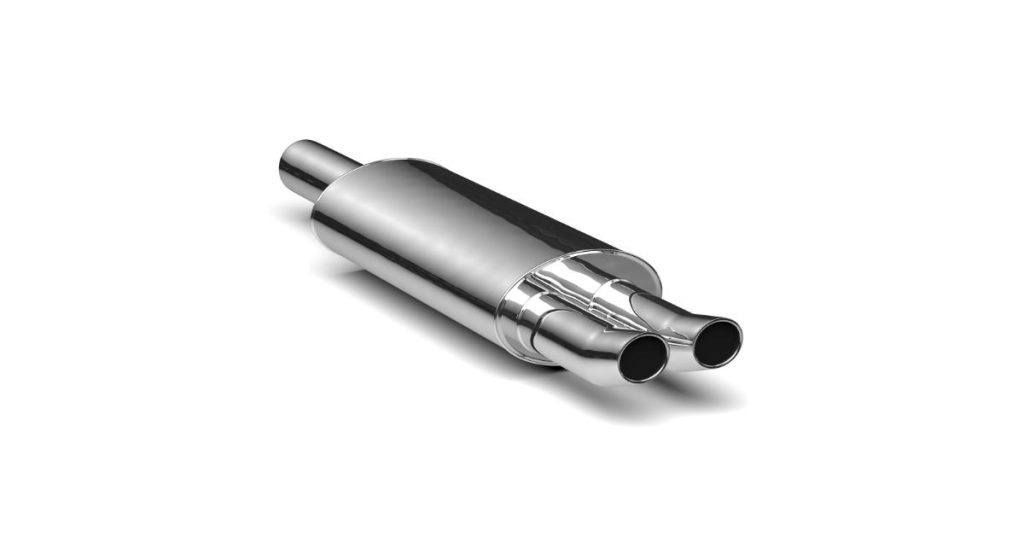
Mufflers and resonators are designed to manage the noise produced by the exhaust system. Mufflers reduce engine sound through chambers and baffles that cancel or absorb pressure waves, while resonators fine-tune sound frequencies for a balanced tone. Damage to these components can result in loud, irregular noises, rattling, or vibration. In addition to comfort, these components also prevent sound pollution and may influence vehicle inspection compliance.
Exhaust Pipes: Directing Gases Safely
Exhaust pipes connect all components of the system, guiding gases from the manifold to the tailpipe. They are typically made of corrosion-resistant metals but are vulnerable to rust and physical damage. Leaks or cracks in the pipes can create performance issues, increased emissions, and health hazards from gas exposure. Routine inspection and timely replacement are critical to maintaining a safe and efficient exhaust system.
Tailpipes: The Final Outlet
The tailpipe is the visible end of the exhaust system and the final exit point for gases. While often overlooked, a properly positioned and unobstructed tailpipe ensures gases are expelled safely away from the vehicle and passengers. Damaged or blocked tailpipes can lead to dangerous gas accumulation, backpressure issues, and poor vehicle performance.
Heat Shields: Protecting Components and Passengers
Heat shields are often attached around exhaust components to prevent excessive heat from affecting nearby parts, including the vehicle floor and fuel lines. Loose or damaged heat shields can rattle or even fail to protect critical areas, increasing the risk of component damage or fires. Ensuring heat shields are secure is a simple yet vital part of exhaust maintenance.
Gaskets and Clamps: Maintaining System Integrity
Gaskets and clamps ensure tight connections between exhaust components. They prevent leaks, maintain proper alignment, and reduce vibrations. Worn gaskets or loose clamps can lead to noise, exhaust leaks, or component misalignment. Regular inspection and tightening or replacement of these parts help maintain system integrity and prevent minor issues from escalating.
Sensors and Emission Control Devices
Modern vehicles include a range of sensors and emission-control devices beyond oxygen sensors, including nitrogen oxide sensors and particulate filters in diesel engines. These components monitor exhaust quality and optimize engine performance to meet stringent emission standards. Malfunctioning sensors can compromise engine efficiency and cause environmental and legal issues. Proper maintenance ensures all exhaust components work harmoniously to minimize pollutants.
Common Issues Across Exhaust Components
Several issues commonly affect Exhaust Components:
- Rust and corrosion from moisture and road salts
- Leaks at joints, clamps, or gaskets
- Cracks in manifolds or pipes due to heat and vibration
- Clogging of catalytic converters or particulate filters
- Sensor failures leading to inaccurate engine feedback
Recognizing early warning signs, such as unusual sounds, reduced fuel efficiency, or engine warning lights, is essential for preventing costly repairs.
Maintenance Tips for Exhaust Components
Proper care extends the life of exhaust components and ensures vehicle safety:
- Conduct regular visual inspections for rust, cracks, and loose parts
- Listen for unusual noises indicating leaks or damaged components
- Address minor leaks with temporary solutions like exhaust sealant until professional repair
- Replace worn gaskets, clamps, and hangers promptly
- Avoid excessive short trips to reduce moisture accumulation inside the system
- Schedule professional inspection periodically for catalytic converters and sensors
DIY Repairs vs Professional Service
Some maintenance tasks, such as tightening clamps, replacing hangers, or treating surface rust, can be handled as a DIY Fix. However, tasks involving catalytic converters, oxygen sensors, or internal pipe damage are best left to professionals. Knowing the limitations of home repairs ensures safety and prevents further damage.
How Exhaust Components Affect Vehicle Longevity
Each exhaust component plays a role in protecting the engine, improving efficiency, and controlling emissions. Malfunction in any part can cause backpressure, overheating, or engine wear. Regular attention to Exhaust Components preserves vehicle performance, reduces operating costs, and maintains regulatory compliance over the long term.
Final Thoughts on Exhaust Components
A comprehensive understanding of Exhaust Components is vital for vehicle owners seeking reliability, efficiency, and safety. From the manifold to the tailpipe, each part serves a specific function that contributes to the overall health of the vehicle. Proactive maintenance, timely inspection, and awareness of common issues ensure a smooth, safe, and environmentally responsible driving experience while preventing minor problems from becoming costly repairs.