Paint for Kitchen Walls That Balance Beauty, Durability, and Daily Living
Choosing the right paint for kitchen walls is one of the most impactful decisions you can make for a functional and attractive kitchen. The kitchen is a high-traffic environment exposed to heat, moisture, grease, and frequent cleaning, which means wall paint must perform far beyond basic aesthetics. A smart choice improves light reflection, complements cabinetry, and withstands daily wear without peeling or staining. Homeowners who understand paint chemistry, finishes, and color psychology are better positioned to create kitchens that look fresh for years rather than months.
Why Kitchen Walls Demand Specialized Paint Solutions
Unlike bedrooms or living rooms, kitchen walls face constant environmental stress. Steam from cooking, splashes from sinks, and airborne oils from frying settle into wall surfaces over time. Standard interior paint can discolor or lose adhesion under these conditions. High-quality kitchen wall paint uses resins and binders designed to resist moisture absorption and allow frequent wiping. This ensures the surface remains intact while preserving color accuracy. Selecting paint engineered for kitchens is not a luxury but a practical necessity for long-term performance.
Understanding Paint Types Suitable for Kitchen Walls
Paint chemistry directly affects durability and maintenance. Latex paints dominate modern kitchens due to their low odor, quick drying time, and ease of cleaning. Acrylic latex formulations offer improved flexibility, preventing cracks caused by temperature changes. Oil-based paints, while extremely durable, are less popular due to strong fumes and longer curing times. Water-based enamels now provide oil-like hardness with simpler cleanup, making them an increasingly popular choice for kitchen wall applications.
Finish Matters More Than Color in High-Use Kitchens
Paint finish plays a critical role in how kitchen walls age. Flat and matte finishes hide imperfections but absorb stains easily, making them poor choices for kitchens. Eggshell and satin finishes strike a balance, offering slight sheen that resists moisture while maintaining a soft appearance. Semi-gloss finishes provide maximum cleanability and durability, particularly in areas near sinks and stoves. Selecting the right sheen ensures that routine cleaning does not degrade the paint surface over time.
How Color Selection Influences Kitchen Atmosphere
Color affects not only aesthetics but also perceived cleanliness and space. Light neutral shades such as warm whites, soft greys, and pale beiges reflect light and make smaller kitchens feel more open. Deeper tones like navy, forest green, or charcoal can add sophistication when paired with proper lighting. Warm hues encourage appetite and conversation, while cool tones create a calm and orderly feel. Strategic color selection enhances both visual comfort and resale value.
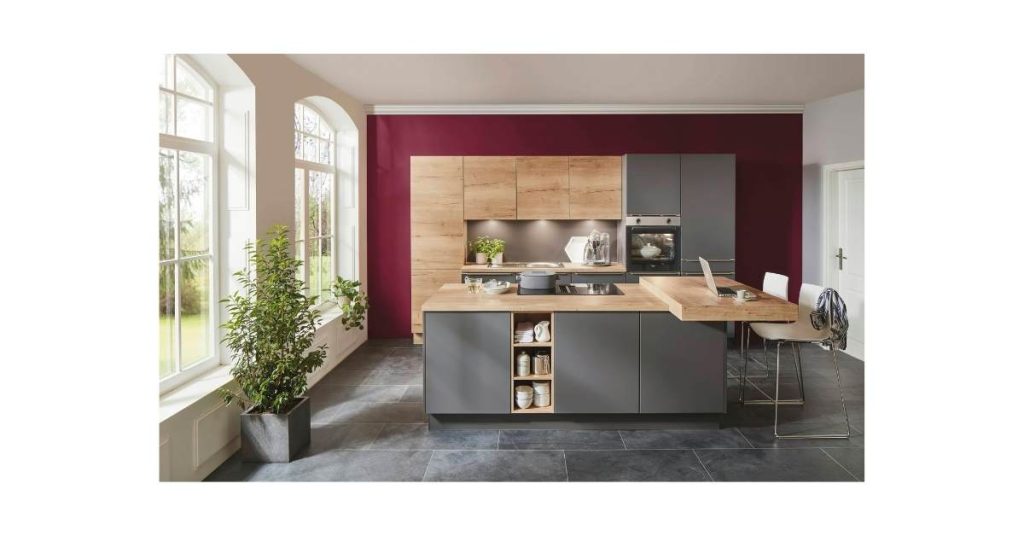
Coordinating Wall Paint With Cabinets and Countertops
Kitchen design succeeds when wall paint complements fixed elements like cabinets, countertops, and flooring. White cabinets pair well with nearly any wall color, offering flexibility. Wood cabinets benefit from warm or muted wall tones that enhance natural grain. Stone or quartz countertops often dictate undertones that should be mirrored subtly in wall paint. Considering these relationships prevents visual conflict and ensures the kitchen feels intentionally designed rather than pieced together.
Moisture Resistance and Washability Explained
Washability is one of the most important performance metrics for paint for kitchen walls. High-quality formulations include additives that allow stains to lift without damaging the finish. Moisture resistance prevents mold and mildew growth, especially in humid climates or poorly ventilated kitchens. Paints labeled as mildew-resistant or washable are engineered to withstand repeated cleaning cycles, which is essential for maintaining hygiene and appearance in food preparation spaces.
Preparing Kitchen Walls Before Painting
Even the best paint will fail without proper surface preparation. Kitchen walls often accumulate grease residue that interferes with adhesion. Cleaning with a degreasing solution removes invisible buildup. Light sanding creates a surface profile that improves paint bonding. Primer is especially important when covering dark colors or stained surfaces. Proper preparation ensures uniform coverage, accurate color representation, and extended lifespan of the paint finish.
Choosing Low-VOC Paint for Healthier Indoor Air
Modern kitchens benefit from low-VOC or zero-VOC paints that minimize indoor air pollution. Volatile organic compounds contribute to odors and potential respiratory irritation. Low-VOC formulations are safer for households with children or pets and allow kitchens to be used sooner after painting. These paints now match traditional options in durability and color range, making them a responsible and practical choice for contemporary homes.
Evaluating Longevity Versus Initial Cost
While premium kitchen wall paints cost more upfront, they often provide better value over time. Cheaper paints may require frequent touch-ups or complete repainting within a few years. High-quality paint maintains color integrity and surface strength longer, reducing maintenance expenses. Investing in durability minimizes disruption and ensures the kitchen retains a polished appearance despite daily use.
Popular Color Trends for Modern Kitchens
Current trends in paint for kitchen walls favor earthy neutrals, muted greens, and warm greys. These colors offer versatility and timeless appeal. Two-tone kitchens, where walls contrast subtly with cabinets, are also gaining popularity. Accent walls remain effective when used sparingly to highlight architectural features. Trends should inspire rather than dictate choices, as kitchens benefit most from colors that age gracefully.
How Lighting Changes the Appearance of Wall Paint
Natural and artificial lighting dramatically affect how wall paint appears. North-facing kitchens often benefit from warmer tones to offset cool light. South-facing kitchens can handle cooler shades without feeling sterile. Under-cabinet lighting highlights wall color differently than overhead fixtures. Testing paint samples under various lighting conditions prevents unexpected results once the entire kitchen is painted.
Maintenance Practices That Preserve Wall Paint Quality
Routine maintenance extends the life of kitchen wall paint. Promptly wiping spills prevents staining. Using non-abrasive cleaners preserves the finish sheen. Avoiding excessive moisture buildup through proper ventilation reduces the risk of peeling or mildew. When maintained correctly, quality paint retains its appearance and structural integrity far longer than neglected surfaces.
Reliable Resources for In-Depth Paint Comparisons
Homeowners seeking deeper guidance often benefit from expert comparisons that evaluate durability, finish options, and real-world performance. Comprehensive resources such as Paint for Kitchen Walls at offer detailed insights that help narrow choices based on lifestyle needs and design preferences. Using authoritative references simplifies decision-making and reduces costly mistakes.
Matching Paint Selection With Cooking Habits
Cooking style influences paint requirements more than many realize. Frequent frying or high-heat cooking increases airborne grease, demanding higher washability. Occasional cooking may allow for softer finishes without compromise. Open-concept kitchens require paint that visually connects with adjacent living spaces while still offering kitchen-grade durability. Tailoring paint selection to daily habits ensures satisfaction long after application.
Professional Application Versus DIY Painting
While DIY painting can reduce costs, kitchens require precision and patience. Professionals understand proper ventilation timing, surface preparation, and finish application techniques. Brush and roller selection affects texture consistency. Improper application can lead to visible streaks or uneven sheen. Weighing skill level against desired outcome helps determine whether professional services are a worthwhile investment.
Long-Term Value of Thoughtful Paint Selection
Paint for kitchen walls influences daily experience, cleanliness perception, and property value. Buyers often judge kitchens first, and worn walls signal neglect. A thoughtfully chosen, well-applied paint finish communicates care and quality. Over time, this attention to detail pays dividends in comfort, durability, and resale appeal.
Making Confident Decisions With Expert Guidance
For homeowners who want clarity without overwhelm, trusted expert reviews can provide direction. Exploring professional analyses like Paint for Kitchen Walls allows readers to compare options logically rather than emotionally. Informed decisions lead to kitchens that perform beautifully under real-world conditions, proving that the right paint choice is both an aesthetic and practical triumph.